Why switch to digital signage?
For several years now, digital signage has been a booming marketing tool. It is known to small firms as well as international corporations. Its use offers several advantages, depending on the tools used. But why opt for digital signage? What are the advantages of using this practice? Follow this guide!
Why choose digital signage?
As an effective communication tool, digital signage offers many advantages and powerful solutions for managing your company’s marketing strategy.
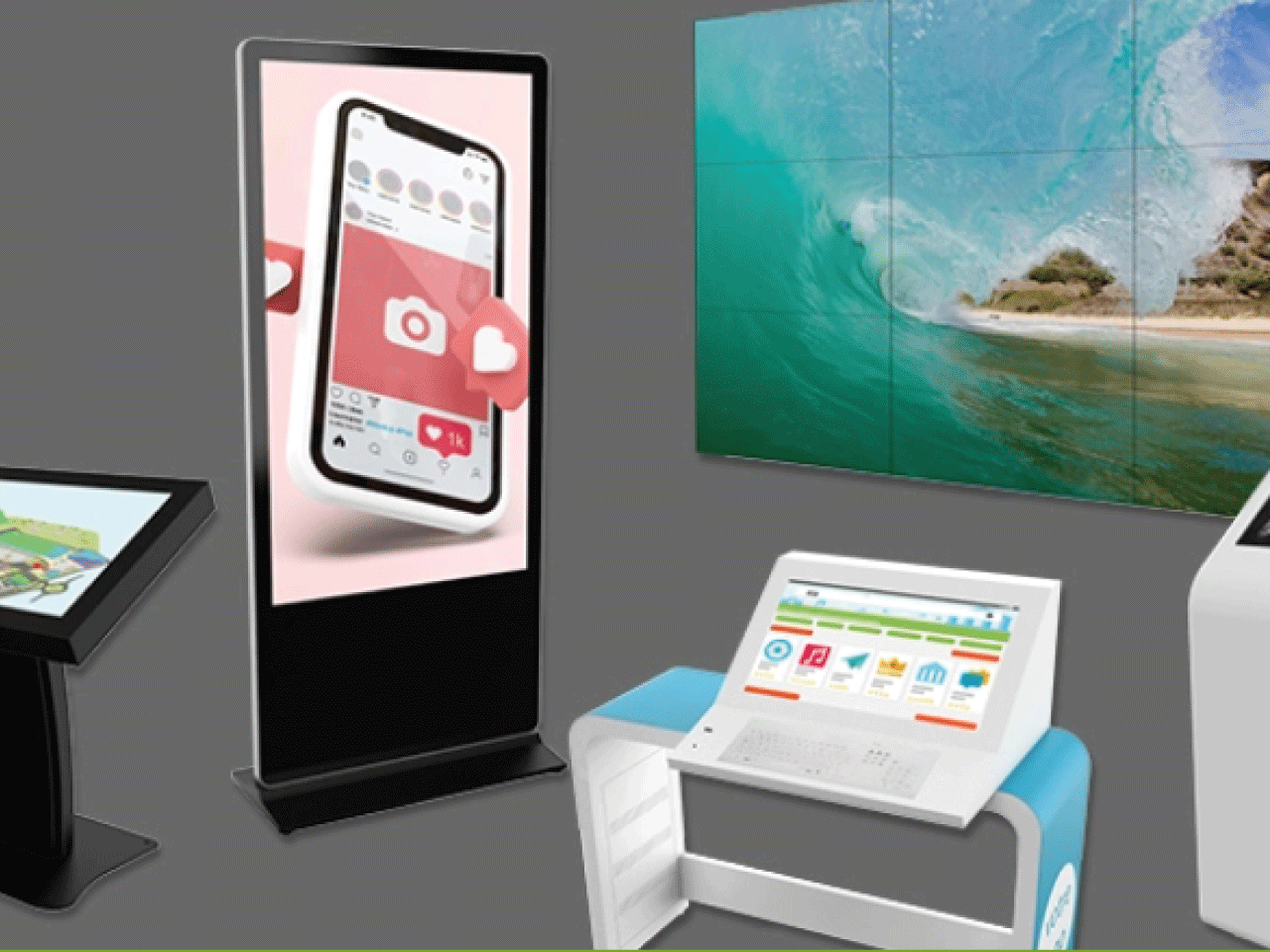
Thedynamic display by PLV Broker is robust and can be linked to a computer. This equipment allows you to reliably share still images or videos. It can deliver advertising content at any time and at low cost.
An interactive visual that enhances your brand image
Some people are more attracted by the dynamic effect of visuals and modern, creative content. This tool attracts four times more attention than a static display. It also offers easy-to-understand information and messages.
With classic display, content must be inserted in a limited space, mainly textual content. This method takes a lot of time to select the texts. We know that not all information can be added on paper. With this type of display, it’s important to mobilize an individual to explain the poster. With digital signage, on the other hand, you can broadcast several messages in a single visual.
Renowned software for tomorrow’s trends
Digital signage offers sufficient flexibility and can be customized over time. The software is multifunctional, connects to other systems and supports a wide range of multimedia content.
A plus for the environment
With digital signage, the use of ink and paper is greatly reduced. Nevertheless, the company makes significant savings by reducing its various expenses. The use of the Web is also essential for system management.
What are the advantages of digital signage?
Digitalsignageis a tool for sharing information on a screen, using a computer, a server and a player. Most screens host their own solutions directly. These broadcast messages could be audiovisual content, such as text, images, animations, RSS feeds, videos, social networks, and so on.
This practice enables companies to easily modify and personalize their advertising messages to make a huge impact on their targets. In the past, marketing campaigns were carried out on paper (billboards, posters, etc.). Nowadays, digital signage is replacing paper as a better advertising medium with a range of advantages:
– share your personalized messages in the right place at the right time;
– optimize and simplify access to information;
– animate the company and bring employees together ;
– develop visibility by generating traffic ;
– enhance the image of your company and your offers;
– save time by reacting simultaneously;
– improve the user experience of the website.
In conclusion, digital signage is an effective communication tool. This solution makes it easy to broadcast content in real time.